The future of consciousness research is undoubtedly bright, with increasing recognition of the importance of collaboration. As researchers continue to break down disciplinary silos, we can expect to see a surge in innovative studies that challenge existing paradigms and expand our understanding of consciousness. The emergence of new technologies and methodologies will further enhance these collaborative efforts, paving the way for groundbreaking discoveries.
Additionally, the relationships forged during academic exchange often lead to long-lasting collaborations that continue to benefit both sending and receiving institutions. This transfer of knowledge can catalyze innovation and progress in their home countries, contributing to economic development and social change. The impact of academic exchange extends far beyond individual participants; it has the potential to shape entire communities and societies.
When students return home after studying abroad, they bring with them new ideas, perspectives, and networks. This trend not only highlights the global demand for higher education but also underscores the importance of creating inclusive environments that accommodate diverse perspectives. One of the most striking observations regarding academic exchange is the diversity of participants. For instance, universities in Europe have seen a surge in students from Asia, particularly China and India, pursuing degrees in fields like engineering, business, and social sciences.
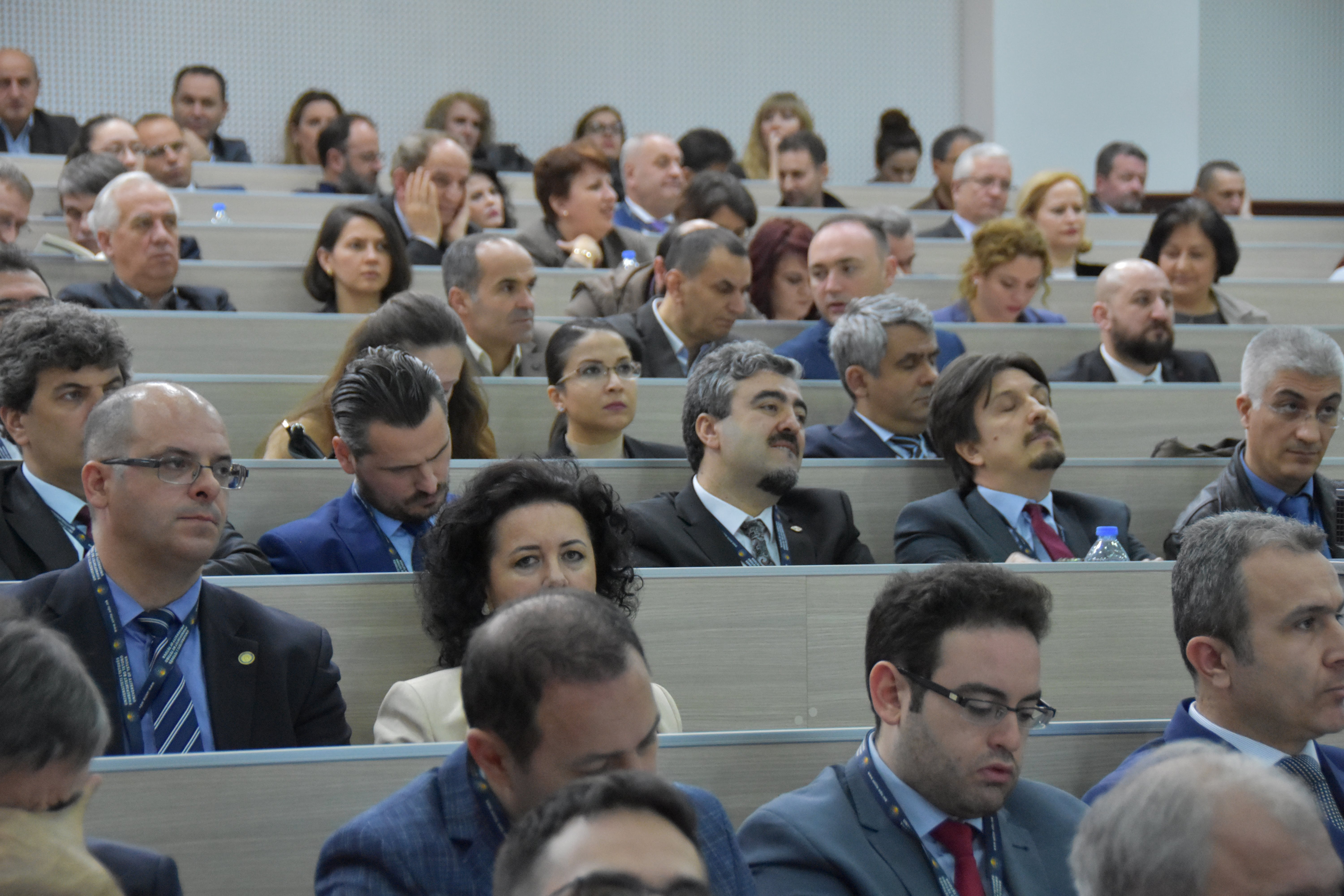
Students from various socio-economic backgrounds, ethnicities, and academic disciplines engage in these programs, enriching the educational experience for all involved. In an increasingly interconnected world, academic exchange programs have emerged as vital conduits for the dissemination of knowledge, cultural understanding, and collaborative research. This article presents an observational analysis of global academic exchange, exploring its trends, challenges, and the transformative impact it has on individuals and institutions alike.
These programs, which facilitate the movement of students, scholars, and researchers across borders, have been gaining traction in recent decades, driven by globalization, technological advancements, and a growing recognition of the importance of cross-cultural engagement in education. In addition to academic collaborations, partnerships between research institutions and technology companies have also emerged. For instance, projects like the OpenAI initiative aim to create systems that can exhibit human-like understanding and decision-making, prompting discussions about the implications of machine consciousness and ethical considerations surrounding intelligenza artificiale e coscienza; AI and Sentience conference; filosofia della mente; coscienza artificiale; conferenza ICCS.
Researchers are exploring how AI can simulate aspects of conscious experience, providing insights into the nature of awareness and cognition. The development of artificial intelligence (AI) and machine learning has opened new avenues for understanding consciousness. Philosophers contribute critical frameworks for understanding the nature of consciousness, while cognitive scientists provide empirical data to test these theories.
 For instance, discussions around the “hard problem of consciousness,” as coined by philosopher David Chalmers, have led to fruitful exchanges between theoretical and empirical researchers. By articulating the philosophical implications of empirical findings, this collaboration fosters a more comprehensive exploration of consciousness that transcends disciplinary boundaries. Another significant collaboration is occurring between philosophers and cognitive scientists, particularly in the realm of consciousness theories.
Leave a Reply