Reiki
Gentle Touch. Deep Relaxation. Inner Balance.
What is Reiki?
Reiki (pronounced ray-key) is a Japanese technique for stress reduction and relaxation that also promotes healing. The word is derived from two Japanese words: Rei, which means “God’s Wisdom” or the Higher Power, and Ki, which is “life force energy.”
At Professional Curative, we view Reiki as a way to recharge your internal batteries. Just as a car cannot run without fuel, your body cannot heal or function optimally when your life energy is low or blocked by stress. Reiki creates a safe space for that energy to flow freely again.
How Does It Work?
Reiki is based on the idea that an unseen “life force energy” flows through us and is what causes us to be alive.
- Low Energy: If your life force energy is low, you are more likely to get sick or feel stress.
- High Energy: If it is high, you are more capable of being happy and healthy.
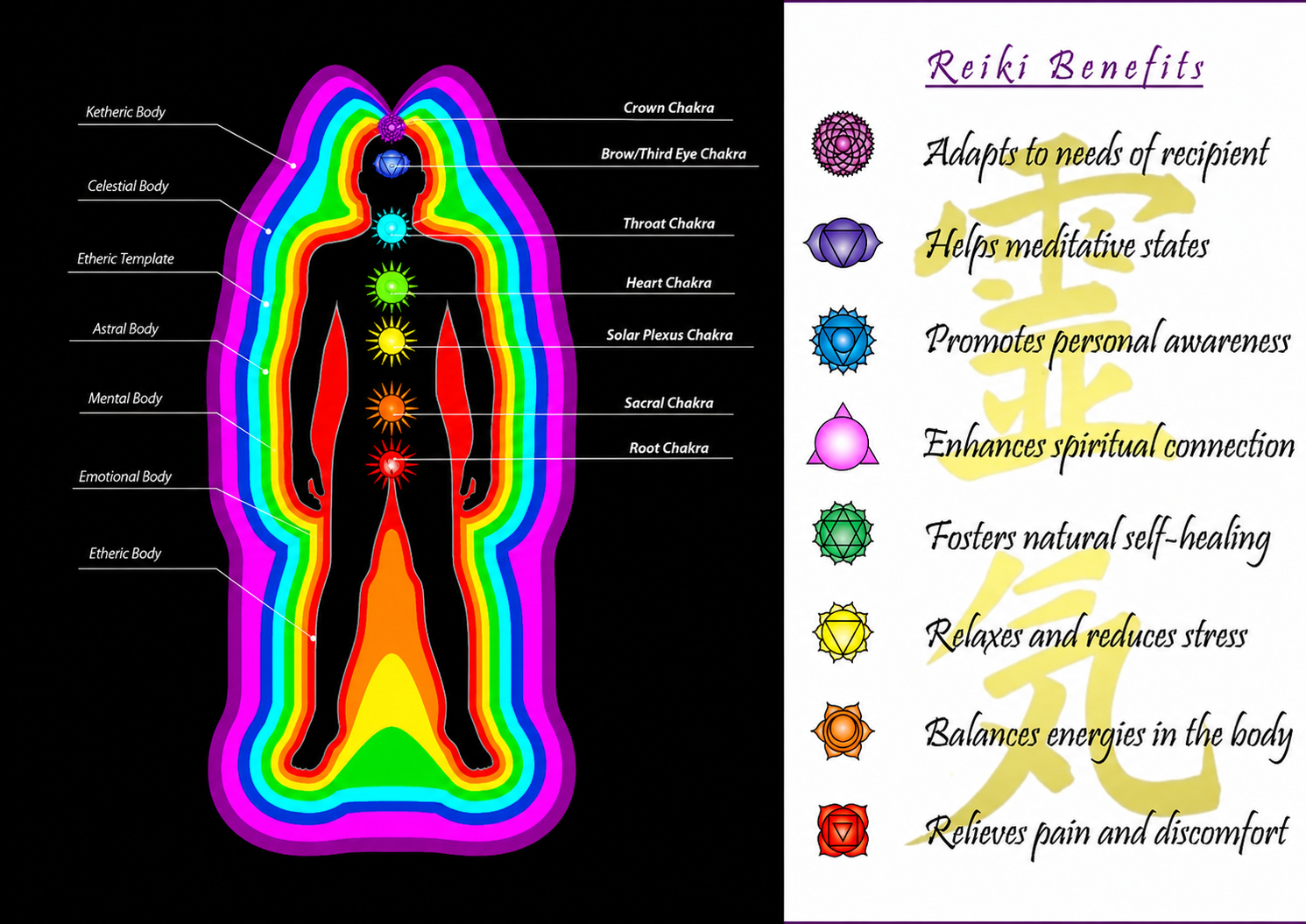
The Reiki practitioner acts as a conduit for this universal energy. They do not use their own personal energy; rather, they channel universal energy to you, focusing on the major energy centers (Chakras) of your body to break up blockages and restore harmony.
Benefits of Reiki
Reiki is a simple, natural, and safe method of spiritual healing and self-improvement that everyone can use. It works in conjunction with all other medical or therapeutic techniques to relieve side effects and promote recovery.
Reiki heals:
- Your aura
- Your emotional trauma
- Physical pains
Reiki is excellent for:
- Deep Relaxation: Calming the “fight or flight” response.
- Emotional Release: Helping to process grief, anxiety, or emotional trauma.
- Pain Management: Easing chronic pain by reducing muscle tension.
- Sleep Issues: Combating insomnia and improving sleep quality.
- Post-Surgery Recovery: Accelerating the body’s natural healing rate.
Your Session: What to Expect
Unlike a massage or acupuncture, Reiki is incredibly subtle. Here is what a typical session looks like:
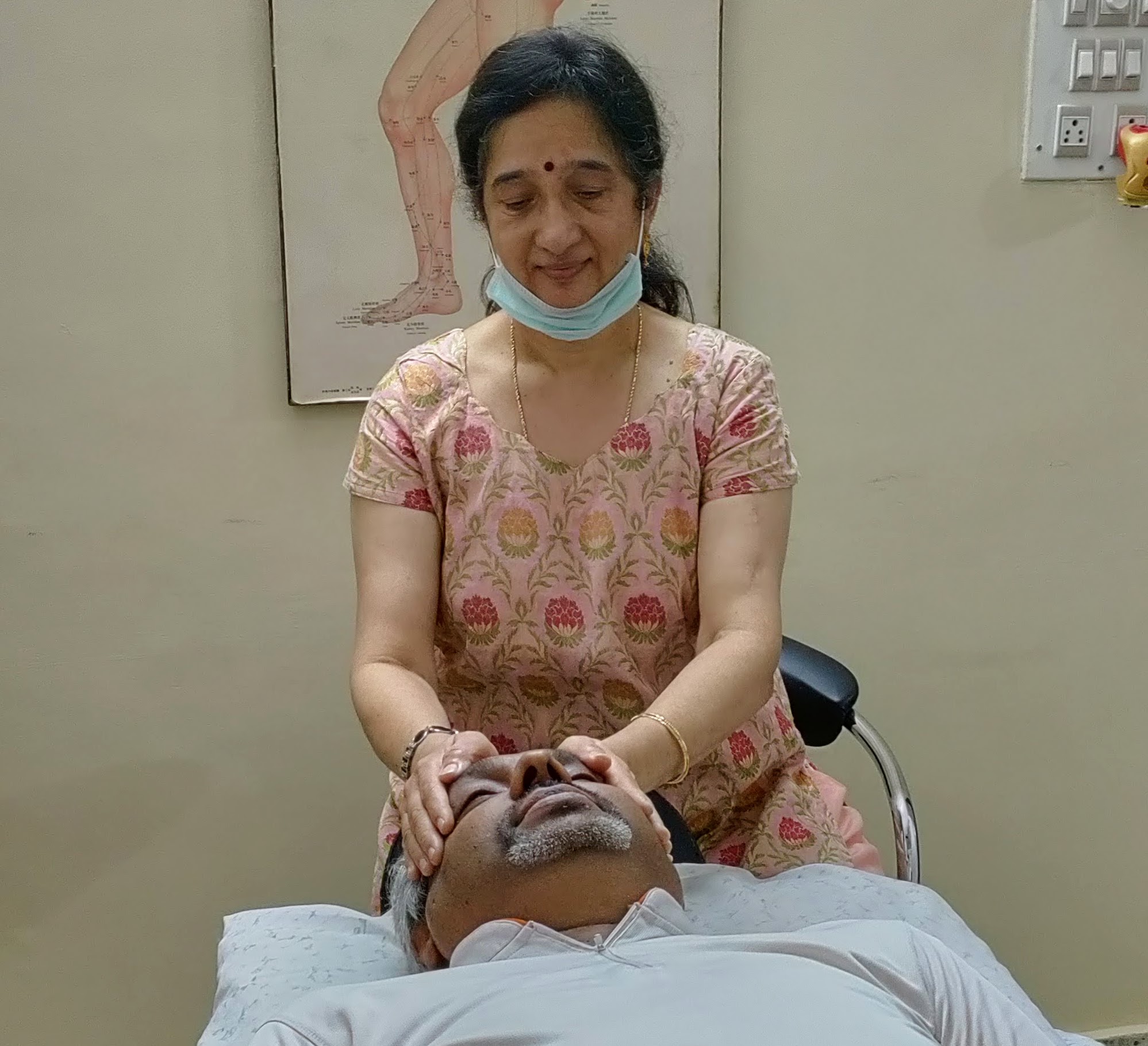
- No Disrobing: You remain fully clothed (loose, comfortable clothing is recommended). You will lie down on a massage table, or sit in a comfortable chair if you prefer.
- The “Touch”: The practitioner places their hands lightly on or just above your body. There is no tissue manipulation or massage.
- The Sensations: You might feel a glowing radiance that flows through and around you. Common sensations include warmth, tingling, or cool breezes.
- The Result: Most patients enter a meditative state or fall asleep. You will likely leave feeling lighter, grounded, and deeply refreshed.
Myths vs. Facts
Reiki, a Japanese energy healing technique developed by Mikao Usui in the early 1920s, is often misunderstood by both skeptics and enthusiasts. While it has become a staple in many hospitals worldwide as a complementary therapy, several persistent myths continue to circulate.
Here are the most common myths about Reiki debunked by practitioners and modern clinical perspectives.
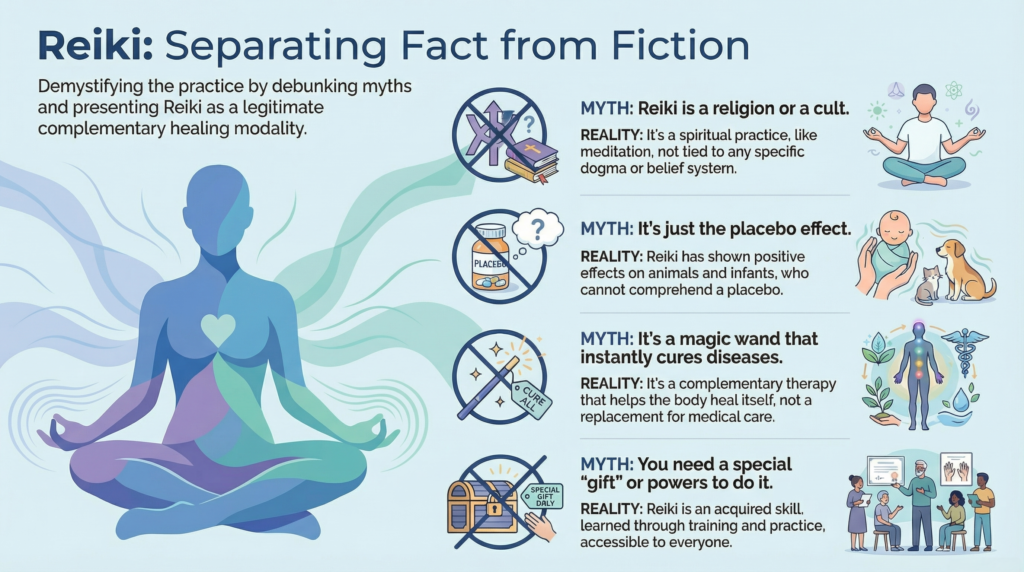
Myth #1: “Reiki is a religion or a cult.”
The Truth: Reiki is a modality, not a religion.
Reiki is a spiritual practice, much like yoga or meditation, but it is not attached to any specific dogma, creed, or religious organization. You do not need to believe in a specific deity, change your faith, or join a group to receive or practice Reiki. It works on the principle of energy, which is universal.
Myth #2: “It’s just the Placebo Effect.”
The Truth: Reiki works even when you don’t “believe” in it.
While a positive mindset helps any healing process, Reiki is not dependent on your belief system. A compelling argument against the placebo theory is that Reiki has been used successfully on animals (horses, dogs, cats) and infants. Since animals and babies cannot understand the concept of a placebo or “belief,” their positive response to the treatment suggests a physiological change is occurring, not just a psychological one.
Myth #3: “The practitioner gives you their own energy.”
People often worry that a practitioner will “drain” themselves or pass “bad vibes” to the client.
The Truth: In Reiki philosophy, the practitioner is merely a conduit or “vessel” for universal energy (Ki). They are not “giving away” their own life force. In fact, most practitioners report feeling more energized and peaceful after giving a session, rather than exhausted. They connect to the “Universal Life Force Energy” and let it flow through them to you, so there is no exchange of personal “karma” or energy draining.
Myth #4: “It cures diseases instantly.”
The Truth: Reiki promotes healing, but it is not a “magic wand.”
Reiki is not a cure-all. If you have a broken leg, you need a doctor to set it. If you have an infection, you may need antibiotics.
Reiki is a complementary therapy. It creates the optimal environment for your body to heal itself. It reduces stress, lowers inflammation, and boosts the immune system, which helps you recover from surgery or illness faster, but it does not replace standard medical care.
Myth #5: “I have to feel something for it to work.”
The Truth: Lack of sensation does not mean lack of effectiveness.
Every person (and every session) is different.
- Some feel: Heat, tingling, cold, or gentle waves of energy.
- Some see: Colors or dream-like images.
- Some feel: Nothing at all—just a sense of peace or sleepiness.
Reiki works on a deep, subtle level. Even if you don’t feel “sparks” flying, the energy is still doing its work to rebalance your system.
Myth #6: “Reiki can cause harm or ‘bad’ side effects.”
The Truth: Reiki is a benevolent, intelligent energy.
Because Reiki is non-invasive and gentle, it cannot cause physical harm. It naturally flows to where the body needs it most. Occasionally, a client may experience a “healing crisis” (such as emotional release, crying, or fatigue) after a session. This is not a “bad” side effect; it is the body detoxifying and releasing pent-up stress, similar to how you might feel sore after a good workout.
Myth #7: “You need ‘special powers’ or a ‘gift’ to do it”
There is a misconception that you have to be born a “healer” or have psychic abilities to practice Reiki.
- The Reality: Reiki is an acquired skill. It is taught through “attunements” and training levels (Level 1, Level 2, and Master). Practitioners believe that everyone has the innate capacity to channel energy; it’s simply a matter of learning the technique and practicing regularly.